October 29, 2026
Choosing the Right Cosmetic Clinic: What to Look For
By @thecosmeticclinicsden
Choosing where to have a non-surgical cosmetic treatment can feel surprisingly personal. You are trusting someone with your face, your skin, your confidence. It is not like buying a new lipstick or trying a different shampoo. The decision carries weight, and the market has grown so quickly that it can be hard to separate a truly skilled aesthetic practitioner from someone who has simply done a weekend course. Over the years I have watched friends and colleagues navigate this landscape, and I have seen the difference between a result that looks natural and one that leaves you squinting. The difference almost always comes down to the clinic, not the product.
When I first started looking into cosmetic clinics properly, I was struck by how similar their websites looked. Everyone offered Botox, dermal fillers, laser hair removal. Everyone had smiling receptionists and clean white rooms. The real differences were invisible at first glance. They lived in the qualifications on the wall, in the way the consultation was handled, in the questions the practitioner asked before touching a syringe. That is where you start to separate the professionals from the rest.
Understanding the Treatments on Offer
The sheer number of injectable treatments available now can be overwhelming. Anti-wrinkle injections remain the most popular starting point for most people, and for good reason. They are quick, relatively low risk when done properly, and the results are predictable. But the conversation does not stop there. Dermal fillers like Juvederm and Restylane have become household names, yet every face responds differently to each product. A good clinic will not just offer you a menu. They will sit with you, feel your skin, look at your bone structure, and recommend a specific product for a specific purpose.
I have seen too many people walk into a clinic demanding a particular brand because a friend recommended it, only to leave disappointed because their anatomy needed something different. That is why the consultation is so important. A thorough consultation should take at least twenty minutes, often longer. The practitioner should ask about your medical history, your allergies, your past treatments, and your aesthetic goals. If they rush this part, walk away.
Non-Surgical Facelifts and Skin Rejuvenation
The term non-surgical facelift gets thrown around a lot, but it means different things in different hands. For some clinics it means a combination of thread lifts and dermal fillers. For others it means a series of microneedling sessions paired with medical-grade skincare. Neither approach is wrong, but they require different skill sets. A thread lift, for example, demands a precise understanding of facial anatomy. If the threads are placed too superficially, they can become visible under the skin. If they are placed too deep, they lose their lifting effect.

Microneedling, on the other hand, is about controlled injury and repair. It stimulates collagen production over weeks and months, not minutes. A clinic that combines microneedling with topical serums can achieve results that rival some injectable treatments, but it takes patience. I have seen patients become frustrated because they expected instant tightening, only to find that the real improvement appears gradually. A good aesthetic practitioner will set realistic expectations from the first appointment.
Chemical peels are another area where clinic choice matters enormously. A light peel can brighten dull skin with almost no downtime. A medium or deep peel requires experience to avoid complications like uneven pigmentation or scarring. The same clinic that does your Botox may not be the best place for a deep chemical peel. Do not assume that because a clinic offers a treatment they are experts in it. Ask how many peels they perform each month. Ask to see before and after photos from patients with your skin type.
Technology and Devices
Some treatments rely more on the machine than the practitioner, but even then the operator matters. The CACI Ultrasonic device, for example, is a favourite in many UK cosmetic clinics for non-invasive facial lifting and toning. It uses ultrasonic waves to stimulate the skin's deeper layers. But the technician's skill in using the device determines whether you leave with a lifted look or a red face and no change. The same goes for hydrafacial machines. A hydrafacial can be a relaxing, results-driven treatment when the operator understands how to adjust the pressure and solution for different skin types. When done poorly, it can cause irritation or breakouts.
Laser hair removal is another treatment where the technology is only half the story. The right laser for your skin and hair colour is critical, but so is the practitioner's ability to read your skin's reaction in real time. I have heard stories of burns and patchy results from clinics that prioritised speed over care. A reputable clinic will always do a patch test first, wait to see how your skin responds, and then proceed with the full treatment.
Regulation and Standards in the UK
In the UK, the regulatory landscape for cosmetic clinics is still catching up with the industry's growth. The Care Quality Commission registers and inspects clinics that provide certain types of treatment, particularly those involving injections or controlled substances. But not every clinic needs to be registered with the CQC, which can create confusion for patients. Some of the best clinics I know choose to register voluntarily, because they want that external accountability. Others operate solely under the supervision of a medical professional, which is legal but less transparent.
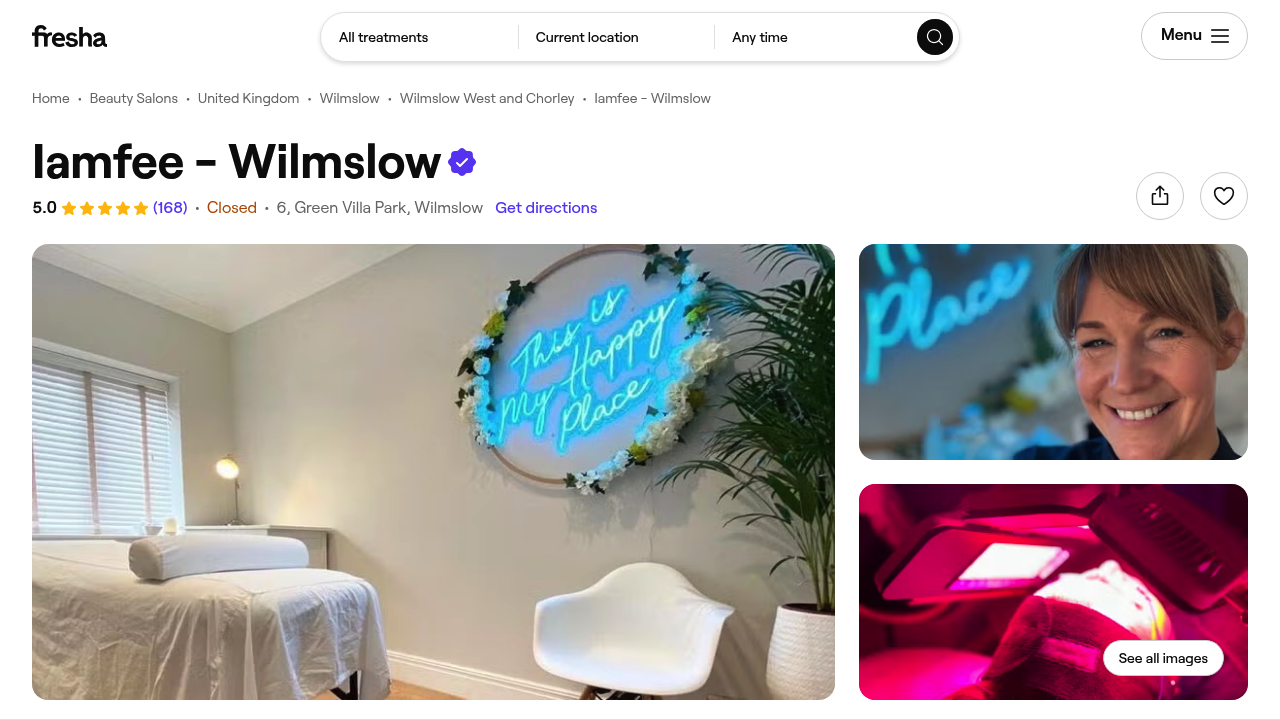
When you are researching cosmetic clinics, look for a named medical director. Ideally that person is a doctor, nurse prescriber, or dentist with specific training in aesthetic medicine. Ask whether the clinic has a complaints procedure, what happens if something goes wrong, and whether they carry appropriate insurance. These questions might feel awkward at first, but any professional clinic will expect them and answer them clearly.
The Rise of Combination Treatments
One trend I have noticed in recent years is the move toward combination treatments. Patients no longer want a single fix. They want a plan. A typical combination might start with Botox to relax expression lines, followed by dermal fillers to restore volume, and then a course of microneedling with Profhilo to improve skin texture and hydration. Profhilo is a hyaluronic acid based injectable that works differently from traditional fillers. It spreads evenly under the skin rather than lifting a specific area, which makes it ideal for overall skin quality improvement.
Eyebrow microblading is another treatment that often sits alongside injectables in the same clinic. It is a semi-permanent technique that creates hair like strokes to fill and shape the brows. When done by someone with a steady hand and good design sense, it can frame the face beautifully. But it is not always offered by the same practitioners who do Botox. Make sure the person holding the microblading tool has specific training in that discipline. A great injector is not automatically a great microblading artist.
What to Look for in a Consultation
I have attended consultations where the practitioner spent the entire time talking about themselves. Their training, their qualifications, their favourite products. That is a red flag. The best consultations are the ones where the practitioner listens more than they talk. They should ask about your concerns, your lifestyle, your pain tolerance, your budget. They should explain the risks as clearly as they explain the benefits. And they should never pressure you to book on the day.

A genuinely good clinic will encourage you to go home and think about it. They know that a rushed decision leads to regret, and regret leads to bad reviews. They also know that the relationship between patient and practitioner is built on trust, and trust cannot be rushed.
Final Thoughts
The world of cosmetic clinics is full of possibility, but it also demands your attention. Do not let a glossy website or a discount offer replace your own research. Look for clinics that are transparent about their credentials, honest about what their treatments can and cannot do, and willing to answer your questions without defensiveness. Your skin is worth the extra effort.
❧